
A Room Full of Me Paradox
Imagine a room containing every version of one person — the child they once were, the person they are now, and every version they may become. Once those versions know they are the same consciousness, divided only by time, judgment starts to look less like a trial and more like a council meeting between different moments of the same life.
- Author
- Abubaker (Alexzander)
- Type
- Philosophical Thought Experiment
- Status
- Philosophical Exploration / Thought Experiment
- Topics
- Identity · Responsibility · Consciousness · Time · Personal Change
- Created
- 20 August 2026
- Last updated
- 20 August 2026
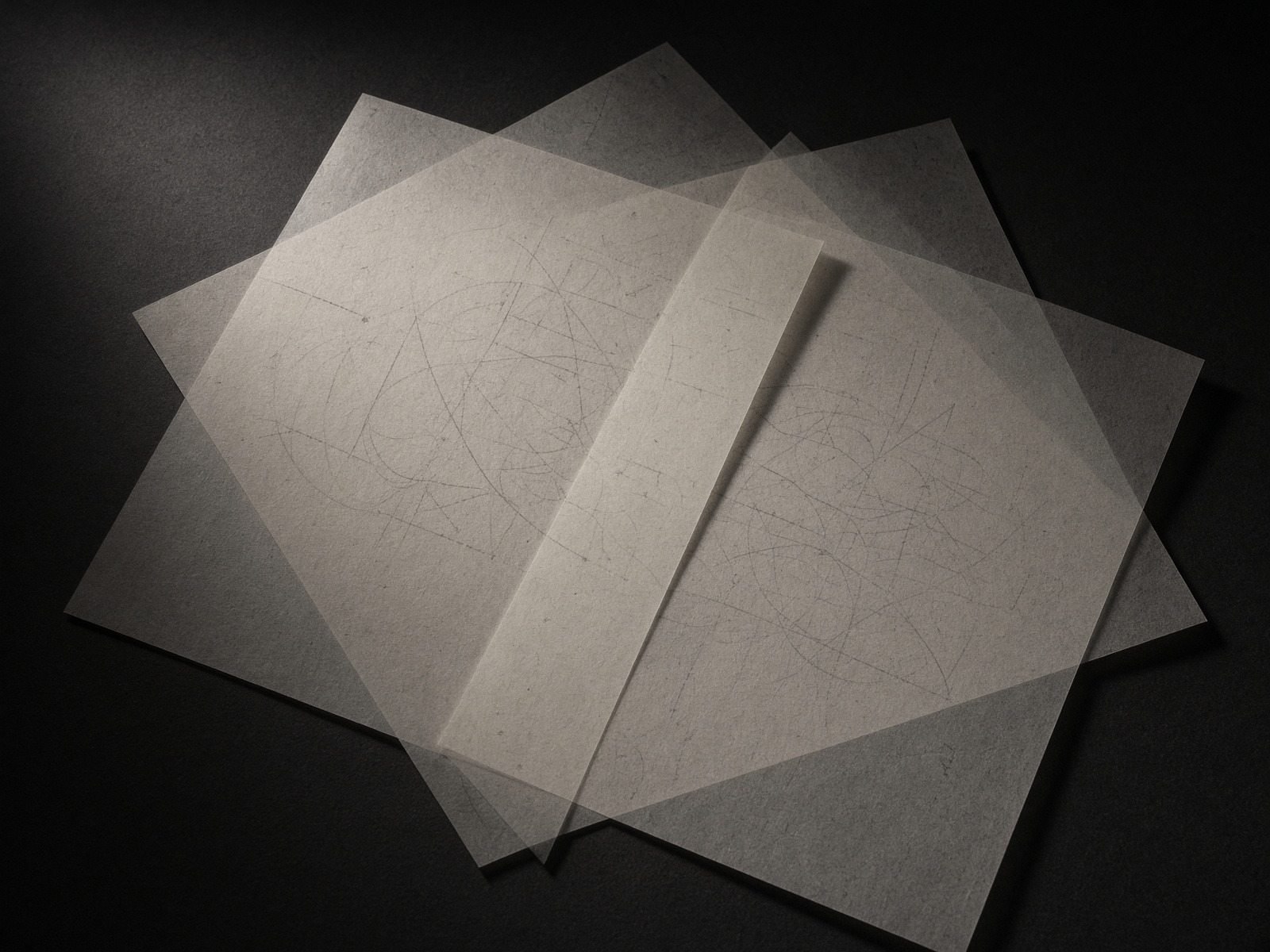
Figure 1. A visual stand-in for overlapping versions of a single life. The image is illustrative, not evidence.
Contents
Classification
This entry is a philosophical thought experiment by Abubaker (Alexzander). Subject areas: identity, personal responsibility, time, consciousness, personal change, and philosophy. Standing: philosophical exploration — not a scientific model.
Core Concept
The “A Room Full of Me” Paradox is a thought experiment about identity, responsibility, and the relationship between every version of ourselves throughout time.
Imagine a room containing every version of one person — the child they once were, the person they are now, and every version they may become in the future.
The rule of this room is simple: every version knows with absolute certainty that they are not separate individuals. They are the same consciousness, divided only by time.
At first, the room appears to become a trial. Each version could judge another.
- The future self could blame the past self for mistakes.
- The present self could criticize the choices that created their struggles.
- The past self could question why they are being judged for decisions made without the knowledge their future versions possess.
But once every version truly understands that they are the same person, the meaning of judgment changes.
The question stops being “Who failed whom?” and becomes “How did we get here?”
The past self is no longer a stranger to be blamed. They are a previous state of the same existence, acting with their own limited knowledge, emotions, fears, and circumstances.
The future self is not a superior observer. They are the result of everything the past self experienced and chose.
The room becomes less like a courtroom and more like a council meeting between different moments of the same life.
Responsibility and Understanding
The paradox raises a deeper question:
Perhaps not. Understanding a decision does not erase its consequences. Forgiveness and accountability can exist together. A person can understand their past self, accept why they acted, and still learn from what happened.
The Nature of Identity
The greatest mystery of the paradox is the nature of identity itself.
Perhaps the self is not a permanent object but a continuous process.
We are not exactly the same person at every moment, but every version is connected through a chain of experiences, memories, choices, and growth.
The child, the present self, and the future self are different chapters of the same story.
Central Questions
The “A Room Full of Me” Paradox asks:
Deep Reflection
Deep reflection
The cruelest truth is that we spend our entire lives becoming someone our past selves would barely recognize. We judge the ghosts who built us, forget they were once us, and only later realize we were never separate people — just the same soul trying to survive its own creation.
Perhaps the greatest tragedy of existence is that we only gain the wisdom to understand our past selves after they are gone, leaving us forever as strangers trying to forgive the people we used to be.
Sources
This page is the author’s own thought experiment. No external scientific sources are attached yet. If later versions cite books, papers, or other records, they will be listed here and in the archive’s Sources index.
Changelog
Later revisions should record changes of mind, not only changes of wording.
Revision history
- 20 August 2026 — First published in this archive as a philosophical thought experiment.
Related theories
- The Temporary Timeline Hypothesis — A speculative philosophical exploration of time travel, branching timelines, reality, information, and the possibility of temporary timelines.
- The Layered Evidence Model — A working method for separating established fact from observation, interpretation, hypothesis, and speculation.